
Affiliate marketing has grown far beyond manual tracking and guesswork. To stay competitive and profitable, brands are embracing data-driven strategies that enable smarter decision-making, higher conversions, and better performance over time. Beyond the Basics: Leveraging Data to Predict Affiliate Campaign Success explores how businesses can use analytics to forecast outcomes, optimize partner relationships, and maximize ROI.
By understanding key data points and patterns, marketers can reduce risk, improve targeting, and uncover new growth opportunities in their affiliate strategies
Top Features or Benefits
Using data to predict affiliate campaign success delivers powerful advantages, including:
- Early detection of underperforming partners or creatives
- More accurate forecasts for budget allocation
- Improved customer segmentation and targeting
- Increased ROI through performance-based decisions
- Scalable campaign frameworks for ongoing optimization
Understanding The Role Of Data In Affiliate Marketing

Affiliate marketing has always relied on performance metrics, but the game has changed. It’s no longer enough to track clicks and conversions. Brands must now look deeper—analyzing behavior, device types, time-of-day activity, and traffic sources.
Platforms like Beyond the Basics empower marketers with real-time dashboards, historical trends, and predictive models that help them act on what’s likely to happen—not just what already occurred. Instead of reacting, teams can anticipate and plan smarter.
By regularly analyzing structured data across various touchpoints, affiliate managers gain a clear picture of which campaigns drive consistent value and which need revision. This kind of visibility enables faster optimization and stronger partner relationships.
Building Smarter Campaigns With Predictive Metrics
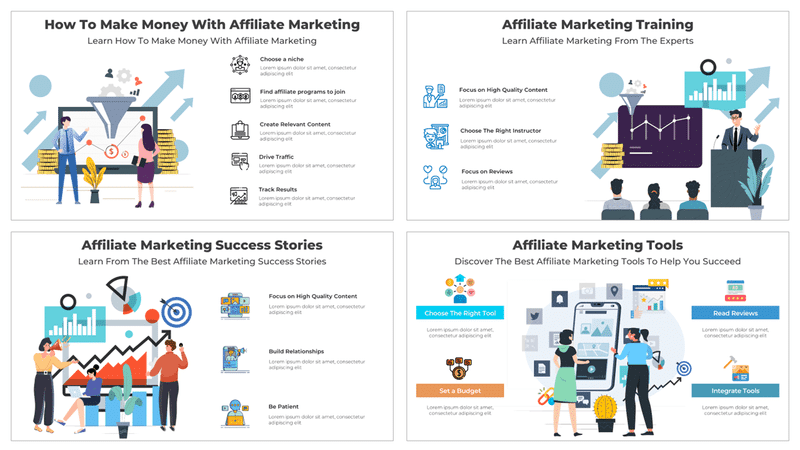
Campaign forecasting begins with identifying the right metrics. While vanity numbers may look good on reports, true campaign health comes from predictive KPIs that reflect meaningful user behavior.
Some of the most useful data points include:
- Lifetime value per affiliate
- Click-to-conversion ratio
- Drop-off points in funnel engagement
- Average order value by traffic source
- Fraud detection signals
Beyond the Basics helps affiliate teams segment and weigh each of these indicators to build data-backed campaign frameworks. This lets brands avoid wasting time or budget on low-impact placements and focus efforts on high-performing segments.
When historical performance is compared with predictive trends, teams can launch smarter campaigns from day one.
Choosing The Right Tools For Affiliate Forecasting

Not all data platforms are built the same. Affiliate marketers need tools that offer clarity, flexibility, and real-time insights without overwhelming their workflows. The right solution should fit within an existing tech stack and allow for custom reporting.
Beyond the Basics offers an intuitive interface and seamless integration with major networks, giving marketers full control over their data. Features like automated alerts, funnel mapping, and partner comparison reports allow teams to take immediate action when performance dips or opportunities arise.
Top-performing brands use these tools to:
- Identify gaps in partner coverage
- Align commission models with performance
- A/B test creatives and landing pages more effectively
- Strengthen affiliate relationships through transparency
Having access to the right metrics isn’t just helpful—it’s critical to scaling and sustaining long-term affiliate success.
Making Better Decisions With Predictive Data

Affiliate success often depends on split-second decisions. When budgets are limited and competition is high, every dollar spent must be justified by results. Predictive data makes this possible.
Rather than relying on assumptions or gut feelings, teams using Beyond the Basics are empowered by data-backed predictions. Whether launching a new campaign or evaluating an existing partnership, they can approach every decision with clarity.
More importantly, predictive data helps teams avoid common pitfalls, such as overinvesting in low-converting traffic or misjudging the impact of seasonality. These insights improve agility and help affiliate programs remain profitable in changing market conditions.
Why Data-Driven Affiliate Marketing Wins

In a landscape filled with noise and uncertainty, data becomes a competitive edge. Brands that invest in prediction and insight consistently outperform those relying on outdated methods.
Beyond the Basics equips marketers with the tools to track, forecast, and refine campaigns in real time. This not only boosts immediate returns but also creates a foundation for sustainable growth.
As affiliate networks continue to evolve, the ability to act on forward-looking data will separate top performers from the rest. Data isn’t just part of the strategy—it is the strategy.
FAQs
1. What makes predictive data different from regular performance metrics?
Predictive data uses historical and real-time information to forecast future results, while regular metrics only report what has already happened.
2. Can smaller affiliate programs benefit from predictive analytics?
Yes, predictive tools like Beyond the Basics are scalable and can support both growing and mature affiliate strategies by offering actionable insights at every level.
3. How does predictive analysis help with ROI?
It helps identify high-value affiliates, campaigns, and traffic sources early, allowing teams to invest resources more efficiently and avoid wasteful spending.
4. Is technical experience needed to use data tools effectively?
Not necessarily. Platforms like Beyond the Basics are built with usability in mind, offering dashboards and reporting tools that are intuitive even for non-technical users.
5. How often should affiliate data be analyzed?
Ideally, data should be monitored continuously. However, weekly deep dives and monthly strategic reviews are a good standard practice for most teams.