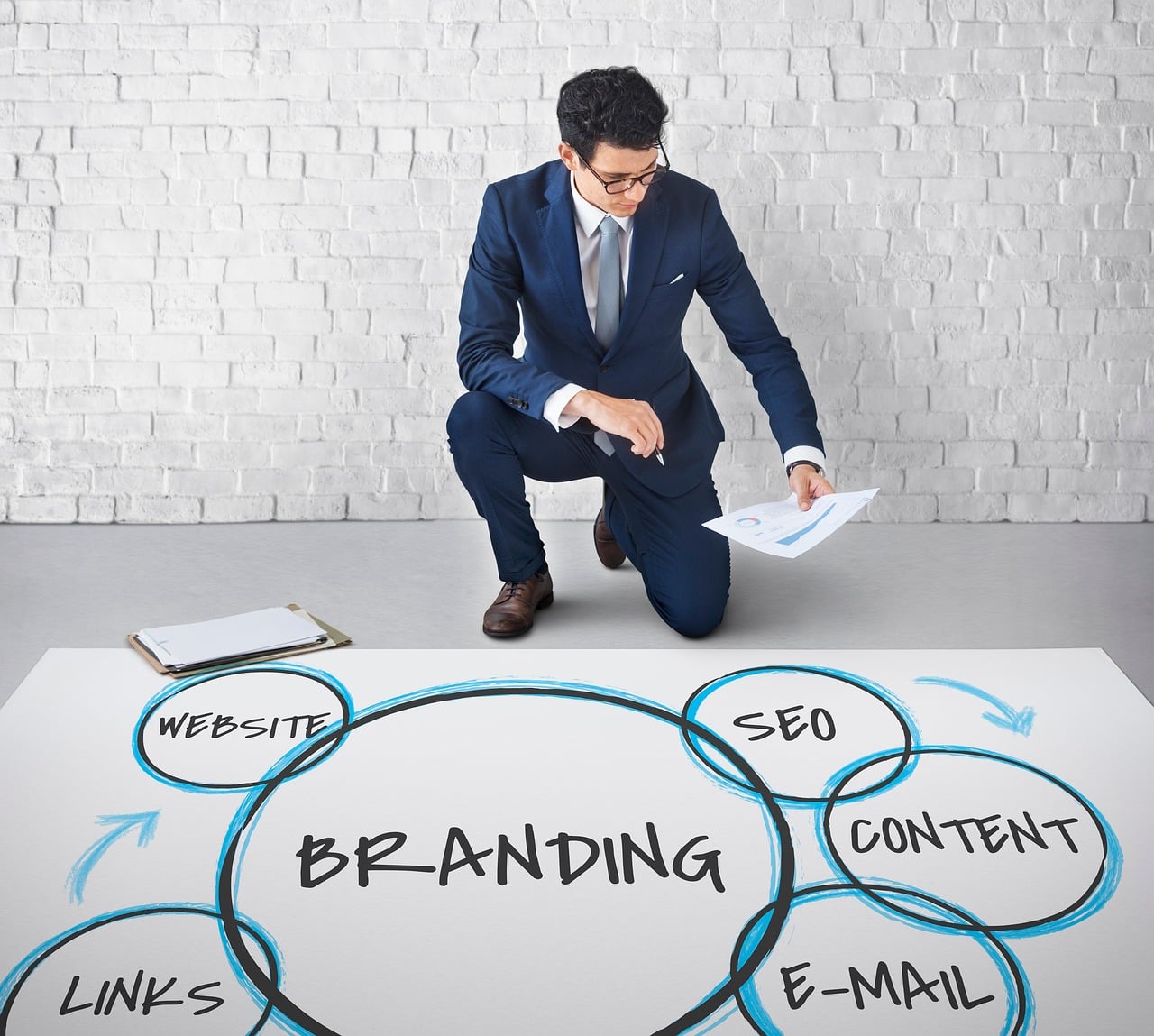
They didn’t start with massive ad budgets or viral fame. Most of them didn’t even know what “conversion rate” meant. But what these small brands had was grit, and a willingness to test what actually works. Our affiliate strategy wasn’t built for the masses. It was designed for people like them: scrappy, creative, and ready to grow without guessing.
This isn’t a story about overnight success. It’s about what happens when you align the right message with the right incentives, and give real brands a way to win. Here’s how it played out.
Quick Wins, Real Revenue
• Intent-Based Partnering
We didn’t chase influencer hype. Instead, we worked with niche publishers and creators already trusted by each brand’s audience.
• Commission Structures That Make Sense
Flat 10% rates don’t motivate anyone. We tested tiered and performance-based payouts that rewarded real growth.
• No One-Size-Fits-All Funnels
Each affiliate got a unique landing page, not a recycled homepage, so the buyer journey felt personal every time.
• Transparent Tracking, Zero Guesswork
We gave brands and partners dashboards they could actually understand. No more wondering where conversions came from.
• Fast Payouts, Happy Promoters
Bi-weekly payments with no delays built loyalty. Affiliates stayed active because they were treated like partners, not middlemen.
Why Affiliates Still Work for the Right Brands

There’s a myth that affiliate marketing is too saturated to work for small businesses. But when the foundation is built on trust and clarity, it still delivers. We’re talking clear commissions, real partnerships, and assets that don’t feel like ads.
Take one candle brand we supported. They saw a 400% revenue increase within three months. Their secret? A wellness blogger with a loyal email list and genuine product love. We helped them design a bundle offer, built a custom landing page, and made the affiliate feel like a collaborator, not a cog.
Performance That Scales Without the Stress

Another case: a sustainable cleaning brand, just out of beta, with no PR, no Amazon, and no paid ads.
We sourced five micro-affiliates from the green living space, created unique discount codes, and gave each one a virtual tour of the product. They shared real stories. Their audiences listened. And within weeks, traffic rolled in from blogs, emails, and review pages, not just social media.
Average order value was 1.7 times higher than paid traffic. Better yet, those customers came back. Why? Because the first touchpoint was a trusted voice, not a pushy promo.
The Tools We Gave Them (And Why They Worked)

Here’s what helped our partners hit the ground running:
• Custom Creatives
We never asked affiliates to “grab a banner.” Every asset matched their tone, platform, and audience.
• Personalised Dashboards
They could track their best links, products, and even conversion timelines without digging through spreadsheets.
• Real-Time Updates
Inventory low? Promo ending? Affiliates got alerts in real time, with editable CTAs to avoid dead links.
• Feedback Loops
Check-ins weren’t optional. We asked what was working, and what wasn’t. A few of our best campaign pivots started as a simple email reply.
Who This Works For (And Who Should Skip It)

If your product solves a real problem, if your site is clean and functional, and if you’re open to collaboration, this playbook can work.
But it won’t save a bad pitch or a broken checkout. If your product page still reads like a pitch deck, or your site loads in eight seconds, fix that first. Affiliate success starts with brand clarity.
Not Just Revenue, But Relationships
This strategy doesn’t just drive clicks. It builds partnerships that compound. The brands that grew with us didn’t win by shouting louder. They won by making it easier for others to share what they already loved.
Affiliate isn’t just a marketing channel. It’s a distribution network powered by trust. And for small brands, that trust is the most scalable growth lever there is.
FAQs
How long does it take to see affiliate sales?
Most brands saw early conversions within 2–4 weeks of launching their affiliate program.
Do you need a big following to recruit affiliates?
No. Smaller creators with loyal audiences often convert better than broad-reach influencers.
What kind of content works best for affiliate promotions?
Product reviews, how-to guides, listicles, and email newsletters all perform well.
Can affiliate marketing bring long-term customers?
Yes. Especially when paired with thoughtful onboarding and retention strategies.